Canada's "Sweetest Season": The Art and Culture of Maple Syrup
Discover Canada's 'sweetest season'. Explore the heritage, production, and cultural festivities of Quebec's famous maple syrup harvest.
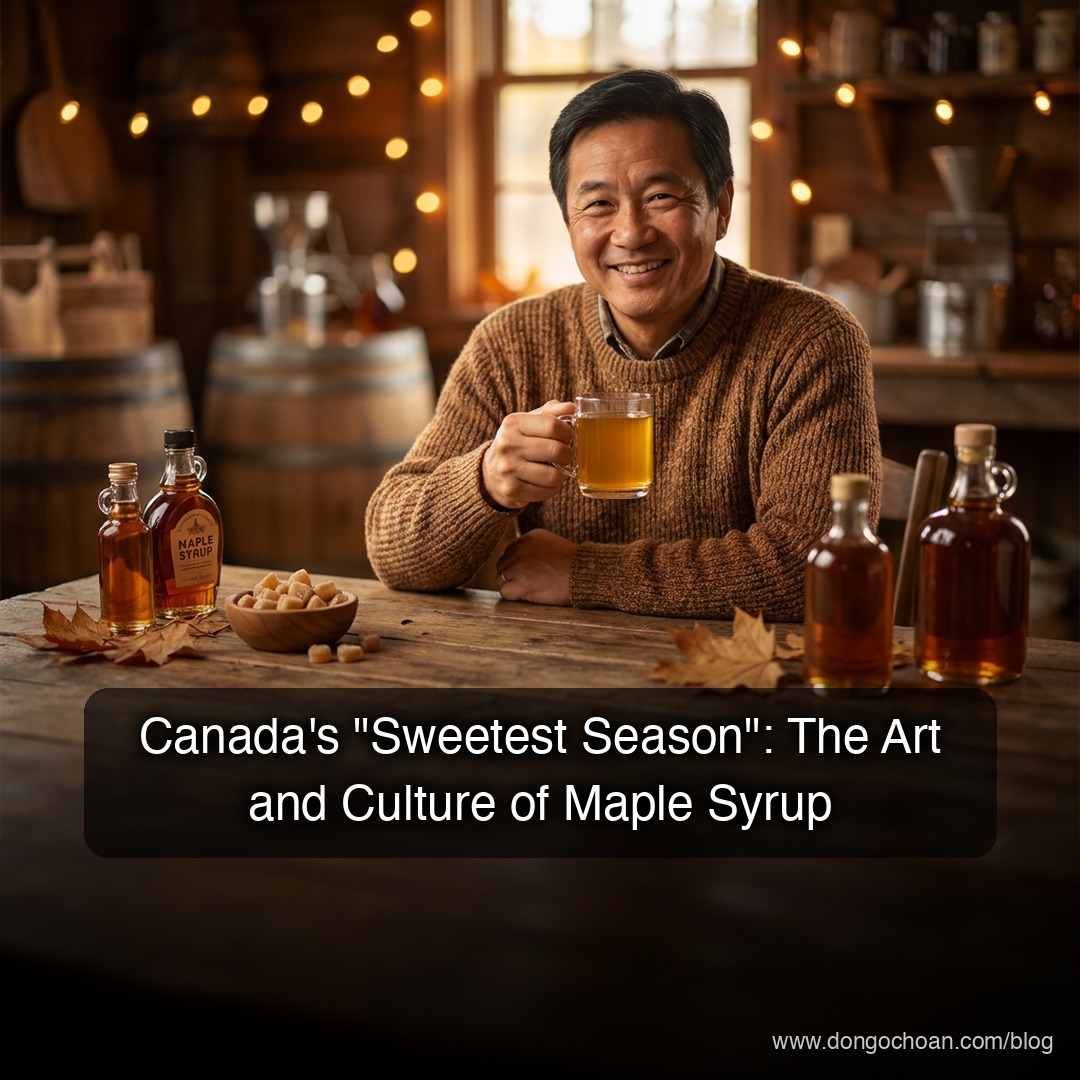
The transition from winter's chill to spring's awakening brings with it one of Canada's most cherished traditions: "the sweetest season." This time of year marks the harvest of maple sap, a practice deeply rooted in history and community, particularly in the province of Quebec.
1. Timing and Context of the Harvest
The maple syrup season typically spans from late February to mid-April. This is when the weather provides the perfect catalyst: freezing temperatures at night followed by warmer, thawing days. This temperature fluctuation creates pressure within the maple trees, causing the sap to flow.
Most of this magic happens in "sugar shacks" (known as cabanes à sucre in French). Quebec is the undeniable heartland of this industry, boasting around 6,000 maple farms. Incredibly, this single province contributes to 90% of Canada's maple syrup production—and considering Canada supplies 73% of the world's maple syrup, Quebec's impact is staggering.
2. From Tree to Table: The Production Process
- Harvesting: The raw ingredient, maple sap, is collected from the bare trunks of sugar maple trees. While the nostalgic image involves hanging tin buckets ("spiles") on each tree, modern operations often utilize extensive networks of plastic tubing and vacuum pumps to efficiently transport the sap directly to the processing facility.
- Processing: Once collected, the sap (which is mostly water) must be concentrated. It is boiled down in massive cauldrons or sophisticated evaporator systems. It takes approximately 40 liters of sap to produce just one liter of the thick, golden syrup we know and love.
3. Cultural Festivities at the Sugar Shack
The sweetest season is more than an agricultural harvest; it's a vibrant cultural festival. Communities gather at large, rustic wooden dining halls to celebrate.
- Culinary Delights: Visitors feast on traditional, hearty meals generously drenched in maple syrup. Typical menus include pea soup, baked beans, fluffy omelettes, sausages, grilled ham, and savory meat pies (tourtière).
- Maple Taffy on the Snow: A quintessential experience is making tire d'érable. Boiling hot maple syrup is poured directly onto clean, packed snow. As it rapidly cools and thickens, it is rolled onto a wooden popsicle stick, creating a natural, gooey, and delicious taffy.
- Entertainment: The atmosphere is electric with live folk music, traditional dancing, and horse-drawn sleigh or wagon rides through the snow-dusted maple groves.
4. Historical Significance
This tradition owes its origins to the Indigenous peoples of North America (such as the Abenaki and Kanien'kehá:ka), who were the first to discover how to tap maple trees and boil the sap down for concentrated energy and sustenance. In the 17th century, early French settlers learned these techniques from the Indigenous populations, eventually industrializing the boiling process with iron pots to produce both syrup and sugar.
Today, the maple syrup harvest remains a vital celebration of spring's arrival, honoring indigenous heritage, community resilience after long winters, and Canada's iconic "liquid gold."
#SweetestSeason #Canada #MapleSyrup #Quebec #Culture