J2TEAM's Free Tool Beat 10 Years of Content — And Why Yours Probably Won't
J2TEAM has 1.7M followers across 11 channels. The engine isn’t content — it’s a free extension with 300,000 users. Here’s when that playbook pays off, and when it quietly burns a year of your runway.

J2TEAM has 1.7 million followers across 11 channels. Almost everyone who studies them copies the wrong thing — the posts. The actual engine is a free browser extension with 300,000 users that has been quietly recruiting members since 2016. This post is about why that engine works, what it honestly costs, and the four situations where copying it will burn a year of your runway for nothing.
The problem: content that never compounds
You write a post. It does okay. Two weeks later it may as well never have existed.
So you write another one. And another. Your reach is a treadmill — the moment you stop running, you go back to zero. You don't own the audience. You're renting attention from an algorithm that can change its mind on a Tuesday.
Here's the uncomfortable part. Most teams respond by making more content. That's like fixing a leaky bucket by pouring water faster.
The alternative is to build something that keeps working while you sleep. Not a post — a distribution asset: something that brings you new people every day without you posting anything.
That's what J2TEAM built, and it's why people misread them.
What the "free-tool flywheel" actually is
Think of a petrol station that puts a free air pump out front.
Nobody makes money on air. But the pump pulls in drivers who would have driven past, some of them come inside, and a few buy coffee and fill up. The pump costs a little to maintain and it works every single day, forever, without a marketing campaign.
A free-tool flywheel is the software version. You build a small tool that solves one sharp, annoying problem — for free. The tool sits in a place people search (an app store, Google, a browser extension marketplace). It brings in users on its own. A slice of those users join your community, your list, or your paying product.
"Flywheel" just means a loop that gets easier the longer it spins. More users → more reviews and word of mouth → better ranking in the store → more users. You push hard at the start; later it carries itself.
J2TEAM's pump is J2TEAM Security — a browser extension (a small add-on that runs inside Chrome) that blocks fake Facebook login pages.
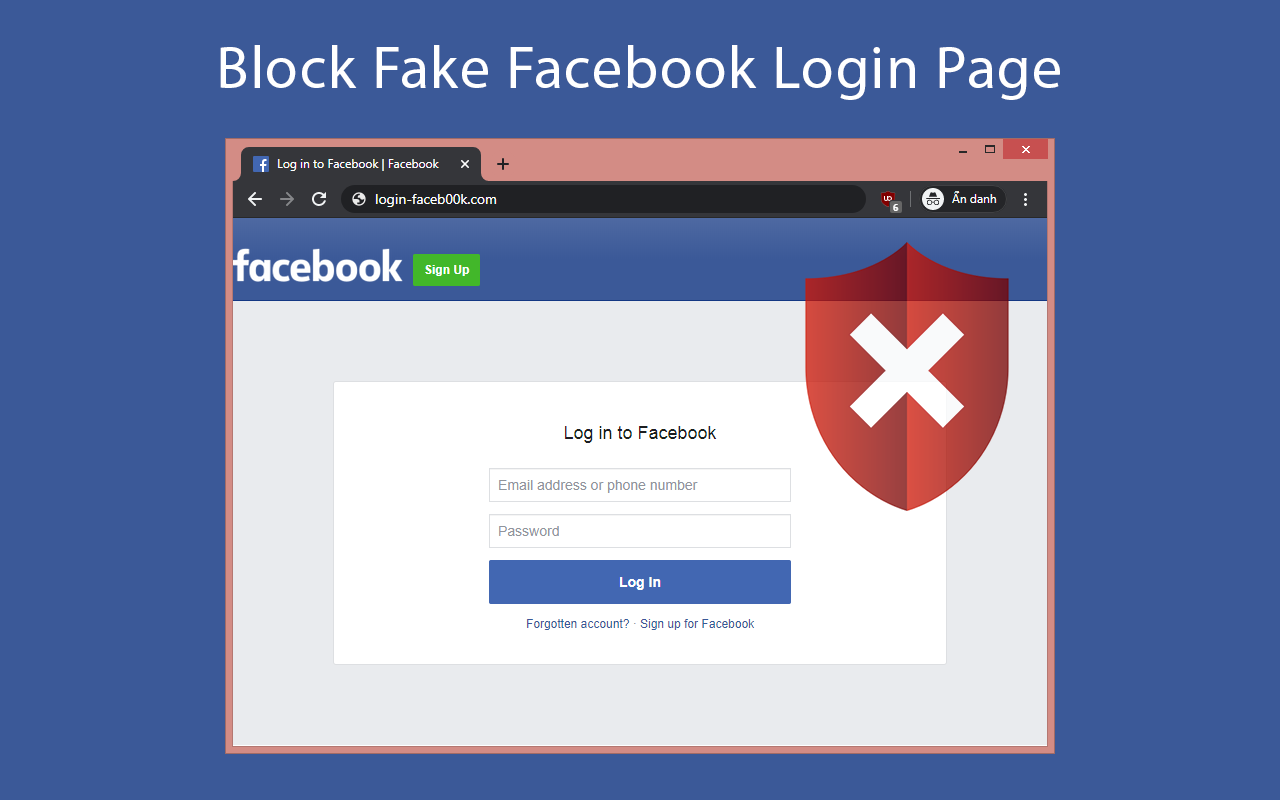 The whole product in one picture: a fake Facebook login at "login-faceb00k.com", blocked. In Vietnam, losing your Facebook account isn't an inconvenience — it can mean losing your business page and your customers. (Source: J2TEAM Security on the Chrome Web Store)
Notice what it is not. It isn't clever. It isn't a platform. It solves one painful thing, extremely well, for free.
Why it works: the distribution is built into the product
Most people look at J2TEAM's numbers and see a content team. Look at the extension's own interface instead.
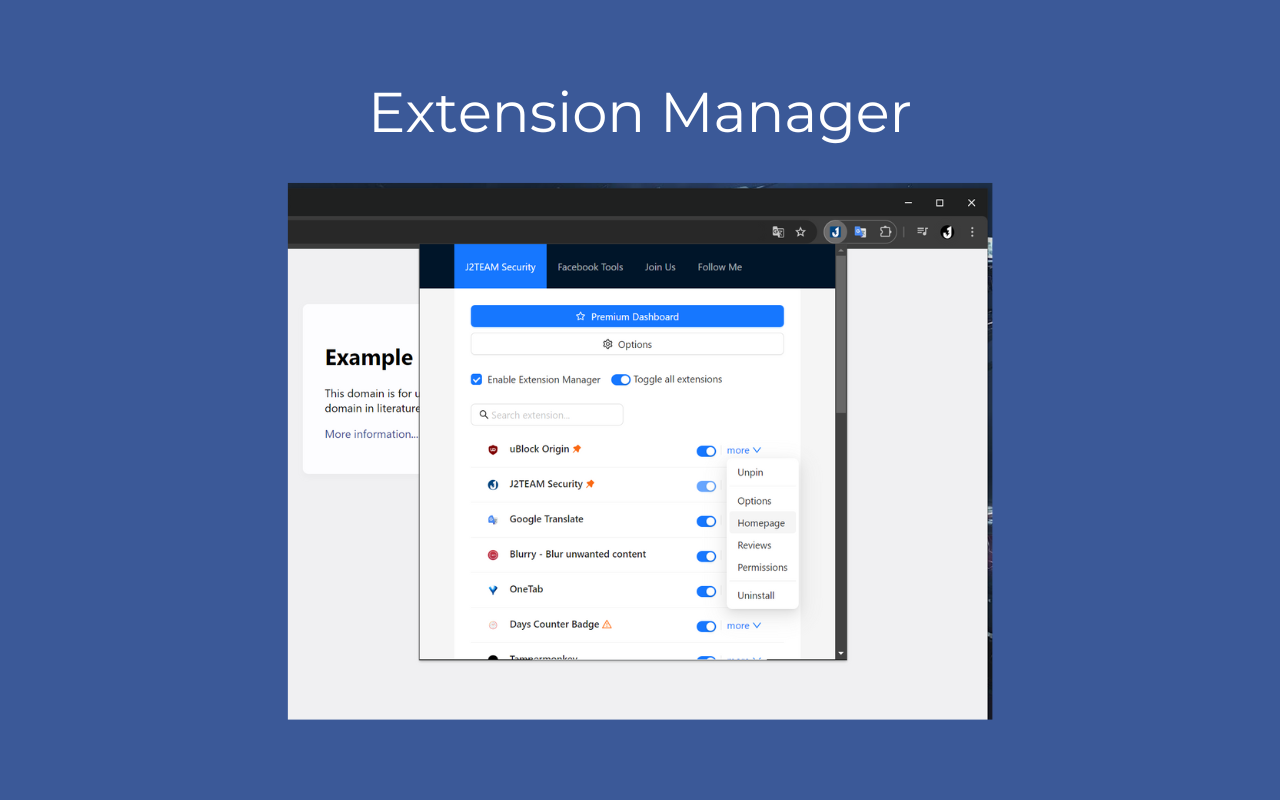 Look at the tabs: "Join Us" and "Follow Me" sit inside the tool itself, next to a "Premium Dashboard" button. The product is the recruiter and the salesperson. (Source: J2TEAM Security on the Chrome Web Store)
That screenshot is the whole strategy in one frame. Every person who installs the tool to stay safe lands in front of a Join Us button and a Premium upsell. No ad spend. No algorithm. The distribution isn't bolted on afterwards — it lives inside the product.
Three things follow from that, and each one is worth more than a year of posting:
1. The app store does your marketing. The Chrome Web Store is a search engine most marketers ignore. As of 14 August 2026, the listing shows 300,000 users, 4.9 stars from 23.1K ratings, and a "Featured" badge. Reviews and ranking pull in the next user without anyone lifting a finger — so acquisition keeps running on weeks when the team ships nothing.
2. The tool creates its own branded search. Once enough people use something, they start googling its name.
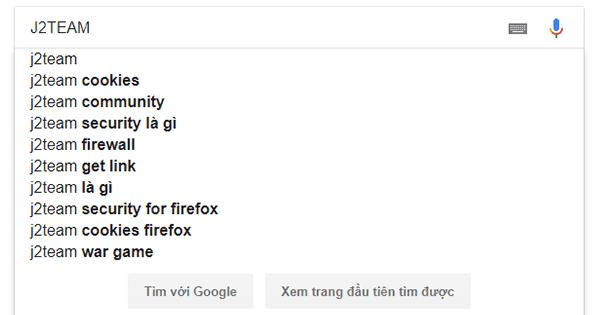 People search the brand by name — "j2team community", "j2team security là gì". That demand didn't exist before the tool; the tool manufactured it. (Source: Juno_okyo's Blog)
Branded search is the cheapest traffic on earth, and you can't buy it — you have to earn it by being used. So the tool quietly builds an SEO moat that competitors can't outspend.
3. The free tool grew up into a real business. This is the part people miss when they call it "just a free extension". Today it sells Pro at $2.99/month (down from $4.99), a yearly plan advertised at 42% off, and a lifetime licence at $79.99 (from $99.99) — with a 7-day money-back guarantee. That's recurring revenue that doesn't depend on any client, any platform, or any post.
Meanwhile the community it fed has become its own asset: a Facebook group started in October 2016 that hit 100,000 members by March 2018 and now sits above 748,000 — and a media kit selling sponsored placements across all 11 channels.
The pattern isn't Vietnamese, and it isn't new
If this feels like a local curiosity, it isn't. It's the standard playbook of some of the best-marketed software companies in the world.
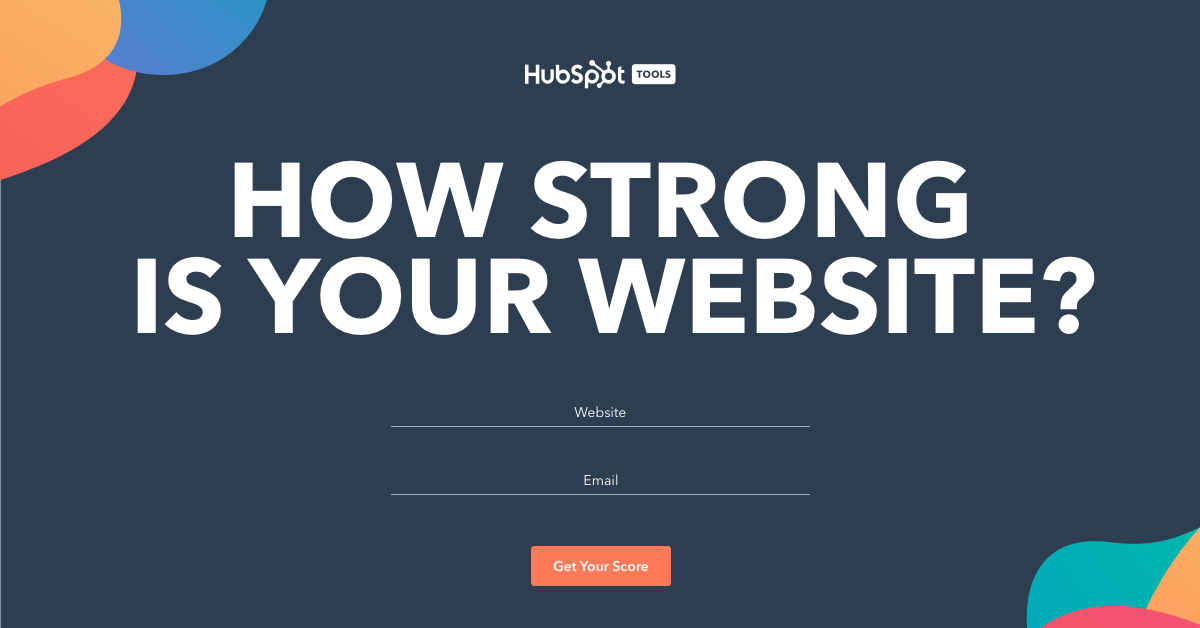 HubSpot's Website Grader, running the same play: give away a genuinely useful diagnostic, ask for a website and an email, and let the result do the selling. (Source: HubSpot Website Grader)
Note the shape. The tool gives you a real answer about your business, and the answer itself is the sales pitch. Nobody has to write "you should hire us" — the score does that job.
That's the version most service businesses should copy: not a 300,000-user extension, but a diagnostic that tells a prospect something true and specific about their own situation.
What it actually costs you
This is where the strategy quietly kills people, so let's be blunt.
Engineering time, forever. A tool isn't a campaign you finish. Browsers update, APIs break, Facebook changes its markup. J2TEAM's store listing says "actively maintained since 2016" — that's a decade of unglamorous maintenance, not a launch.
Support you didn't budget for. 300,000 users generate email. Some of it is angry. Someone has to answer.
Years, not quarters. Read the timeline honestly: extension launched 2016, group at 100,000 by early 2018, 748,000 by 2026. The flywheel is real, but it is slow at the start. If your board wants results this quarter, this is the wrong instrument.
The discipline to keep it genuinely free and genuinely good. The moment the tool becomes a lead-capture form wearing a costume, the reviews turn, the ranking drops, and the flywheel stops.
⚠️ The value evaporates if you treat the tool as a marketing asset instead of a product. The 4.9-star rating is the distribution. Cripple the free version to push upgrades and you don't get a slower flywheel — you get no flywheel.
Before you build anything, do this arithmetic honestly:
Go / no-go math for a free tool

A   People who have this exact problem and can find you    = ?
B   Realistic share you capture in 3 years                 = ?%     (1–5% is normal)
C   Users you end up with                                  = A × B
D   Share who ever become paying customers                 = ?%     (0.5–2% is normal)
E   Customers                                              = C × D
F   Gross profit per customer per year                     = $?

    Annual return   = E × F
    Annual cost     = build + maintain + support
                      (be honest: 0.3–0.5 of an engineer, every year, forever)

If the return doesn't clear the cost by year 3, don't build the tool.
Run those numbers before you write a line of code. Most teams who skip this step discover in month nine that their market was never big enough to feed a flywheel.
When to reach for it
Your market is large and searchable. Tens of thousands of people have the problem, and they type it into a search box. Store listings and Google do the work.
The problem is sharp, frequent, and cheap to solve in software. "Am I about to get phished" beats "help me with my strategy". One is a yes/no a program can answer; the other needs a human.
You already sell something adjacent. The tool has somewhere to hand people off to — a paid tier, a service, a community.
You can carry it for three years. Not "we'll see how it goes" — actual budgeted capacity to maintain it through a slow start.
When NOT to reach for it
This is the section that matters most, because the J2TEAM story is seductive and the failure mode is expensive.
Your total market is a few thousand people. A flywheel needs volume to spin. If there are 3,000 possible customers in your city, a tool that converts 1% gives you 30 leads over years. Do this instead: research those 3,000 by hand and talk to them. Direct outreach and partnerships beat any tool at that scale.
You sell high-ticket, trust-based services. A free tool proves you're competent. It does not prove you're trustworthy — and nobody hands over $2,000 a month because a widget gave them a score. Do this instead: case studies with real numbers, referrals, and getting in the room. Trust transfers through people, not software.
You have no engineering capacity to maintain it. A dead tool with one-star reviews saying "doesn't work anymore" is worse for your brand than never shipping. Do this instead: a well-made static calculator or checklist you can update in an afternoon, or a manual audit you deliver as a service.
You need revenue this quarter. The flywheel is a two-to-five-year asset. Do this instead: paid ads and outbound. They're rented reach, and that's fine — rented reach pays rent this month.
⚠️ If two or more of these describe you, the free-tool strategy isn't "hard mode". It's the wrong tool, and no amount of execution fixes a wrong tool.
Free tool vs content vs ads vs staying as you are
| Free tool | Content marketing | Paid ads | Stay as you are | |
|---|---|---|---|---|
| First real result | 6–18 months | 3–9 months | Days | Never |
| What it costs | Engineering, forever | Writing time, forever | Cash, forever | Nothing upfront |
| Does it compound? | Yes — strongly | Yes — slowly | No | No |
| What you own | Users, reviews, store ranking | Search rankings, archive | Nothing | Nothing |
| How it usually fails | Market too small; abandoned tool | Never reaches critical mass | Costs rise, margin dies | Competitors compound past you |
| Best when | Big searchable market, cheap-to-solve problem | You have real expertise and patience | You need pipeline now | Referrals already cover you |
Staying as you are is a legitimate choice, and it's the one most readers will actually pick. If word of mouth already fills your calendar, a flywheel is a solution to a problem you don't have.
The verdict
- Build it if your market is tens of thousands of searchable people, the problem is sharp enough for software to answer, and you can budget an engineer's part-time attention for three years. The payoff is a distribution channel no competitor can outspend.
- Skip it if your market is small, your sale depends on trust rather than proof of competence, or you need pipeline this quarter. Case studies, direct outreach and partnerships will beat it — and cost far less.
- Either way, steal the shape. Even if you never build software, take the underlying move: give away something that tells a prospect the truth about their situation. A one-page diagnostic you fill in by hand does the same job as HubSpot's grader at 1/1000th the cost.
The mistake isn't admiring J2TEAM. The mistake is copying the visible half — the posting — and skipping the invisible half that made the posting worth doing.
FAQ
Do I need a developer? What if my team can't code? For a real flywheel, yes — and you need one who stays, because maintenance never ends. If you can't commit that, build the non-software version: a manual audit or a diagnostic checklist. It converts nearly as well at a fraction of the risk.
How long before it pays for itself? Plan for two to three years, and treat anything sooner as luck. J2TEAM launched the extension in 2016; the community only crossed 100,000 members in 2018. If your plan assumes payback in six months, the plan is wrong, not the strategy.
My market is only a few thousand businesses. Still worth it? Almost certainly not. Flywheels need volume. At that size your unfair advantage is that you can personally know a meaningful share of the market — use it.
Why not just run ads instead? Do both, for different jobs. Ads buy pipeline this month and stop the day you stop paying. A tool builds an asset that keeps producing. The mistake is expecting either one to do the other's job.
Does the tool actually have to be free? The entry point does. Free is what gets you the store ranking, the reviews and the word of mouth — those are the distribution. Charge for depth and convenience later, the way J2TEAM charges $2.99/month for power features while the security core stays free.
References
- J2TEAM Security — Chrome Web Store — 300,000 users, 4.9★ from 23.1K ratings (checked 14 Aug 2026)
- j2team.org — Premium pricing — current tiers: Pro $2.99/mo, Lifetime $79.99
- JUNO_OKYO — Media Kit — 1.7M+ followers across 11 channels, "faceless content" format
- J2TEAM Community — group rules — hashtag taxonomy and moderation policy
- J2TEAM Community — Telegram — 24.9K subscribers
- What is J2TEAM? — Juno_okyo's Blog — origin and growth timeline
- HubSpot Website Grader — the same play, run by a public company
#ProductLedGrowth #Distribution #FreeTools #GrowthStrategy #TechStrategy #J2TEAM
✍️ The Author: Do Ngoc Hoan Founder of CookConnects.ca & Wizy.ca. Bridging the gap between advanced algorithms and business execution. I write for technical founders looking to scale their impact with AI and robust engineering.